Building a Resilience Toolkit with Your Teen
It's Saturday afternoon, and your teenager is slumped over the kitchen table, earbuds in, eyes fixed on the phone screen. You notice their shoulders tense as they scroll through their feed, an all-too-familiar sight lately. You’ve heard them sigh more times than you can count, and you’re beginning to wonder if there’s something you can do — some way to help them build their own set of tools to tackle the emotional ups and downs of teenage life.
You’re not looking for a quick fix. Instead, you want something practical and personal, something they can reach for on those tough days. You might start by having a conversation that’s as open and relaxed as possible. Maybe over a quiet cup of tea or during a car ride when the atmosphere is less intense.
Begin by sharing your observations. "I’ve noticed you seem a bit down after scrolling through your phone," you might say. "I get it; it's hard not to compare ourselves to others online. Do you think we could come up with some ideas to help manage those feelings?" This approach invites them to the conversation as an equal partner, valuing their input and insight.
From here, you can work together to build a 'resilience toolkit.' This isn't a physical kit, but rather a collection of strategies and items that they can use when they’re feeling overwhelmed. The key is personalization; this kit should be as unique as they are.
One practical step is to brainstorm a list of activities that they find calming or grounding. It could be anything from taking a walk, listening to a favorite playlist, or journaling. Encourage them to think about what has helped in the past when they’ve felt stressed or anxious. Maybe it's drawing, playing an instrument, or even baking cookies.
Consider including some sensory items in the toolkit as well. A stress ball, a favorite candle, or even a small piece of fabric with a comforting texture can help ground them when emotions run high. These items can serve as tangible reminders that they have the power to soothe themselves.
Another valuable addition to the toolkit is a list of supportive contacts. Encourage your teen to think of friends, family members, or mentors they feel comfortable reaching out to when they need to talk. Knowing they have a network of people who care can make a big difference.
Help them recognize the power of positive self-talk. Together, you can create a list of affirmations or encouraging phrases that resonate with them. These can be simple, like "I am doing my best," or more specific to their personal challenges. Remind them that it’s okay to acknowledge when things are tough, but also to celebrate their strengths and victories, no matter how small.
Finally, practice using the toolkit. You might say, "Let’s pick one thing from the list and try it together. We can see how it feels and tweak it until it’s right for you." This not only helps them get comfortable with their toolkit but also reinforces the idea that these tools are meant to be a work in progress, adaptable as their needs change.
By collaborating with your teen to create this toolkit, you’re not only providing them with immediate support but also teaching them valuable skills for resilience and self-reliance. They’ll learn that it’s okay to seek help and that they have the capacity to manage their emotions in healthy ways.
For more ideas on helping your teen manage anxiety and build resilience, consider exploring "Your Alarm Isn't Broken," which offers practical guidance for navigating those overwhelming moments.
The Response Training Series
Short, honest workbooks for teens who can't stand workbooks — a trilogy, one feeling at a time.
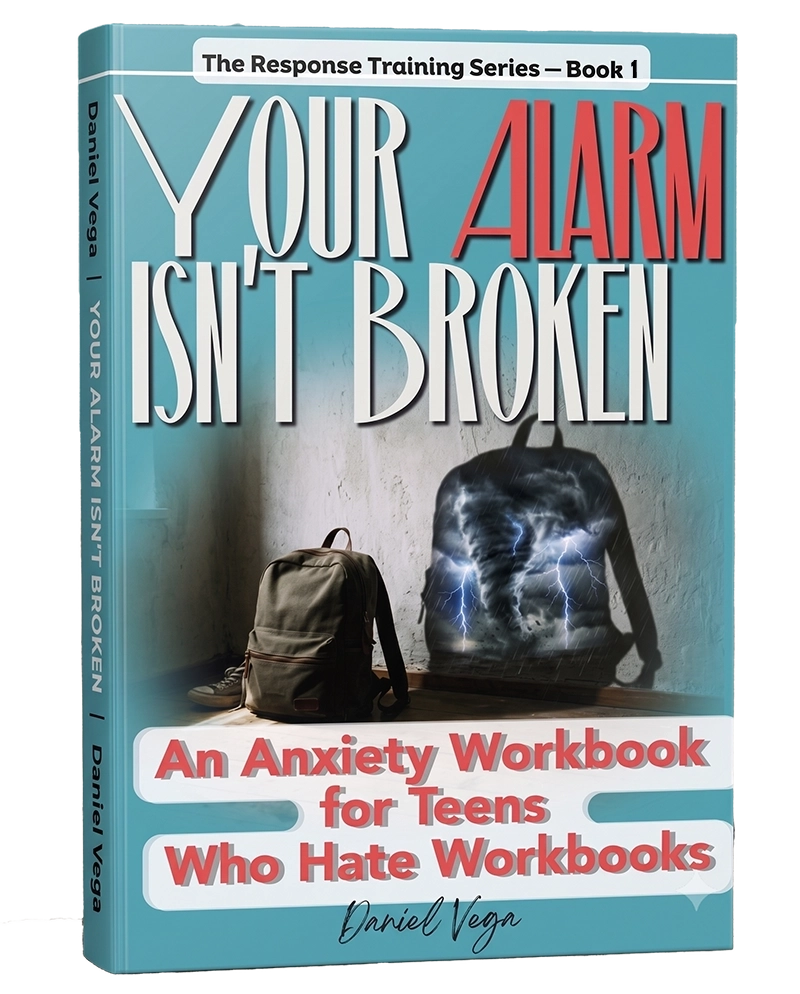 The Response Training Series — Book 1
 Your Alarm Isn't Broken
An Anxiety Workbook for Teens Who Hate Workbooks
Buy from $14.99
 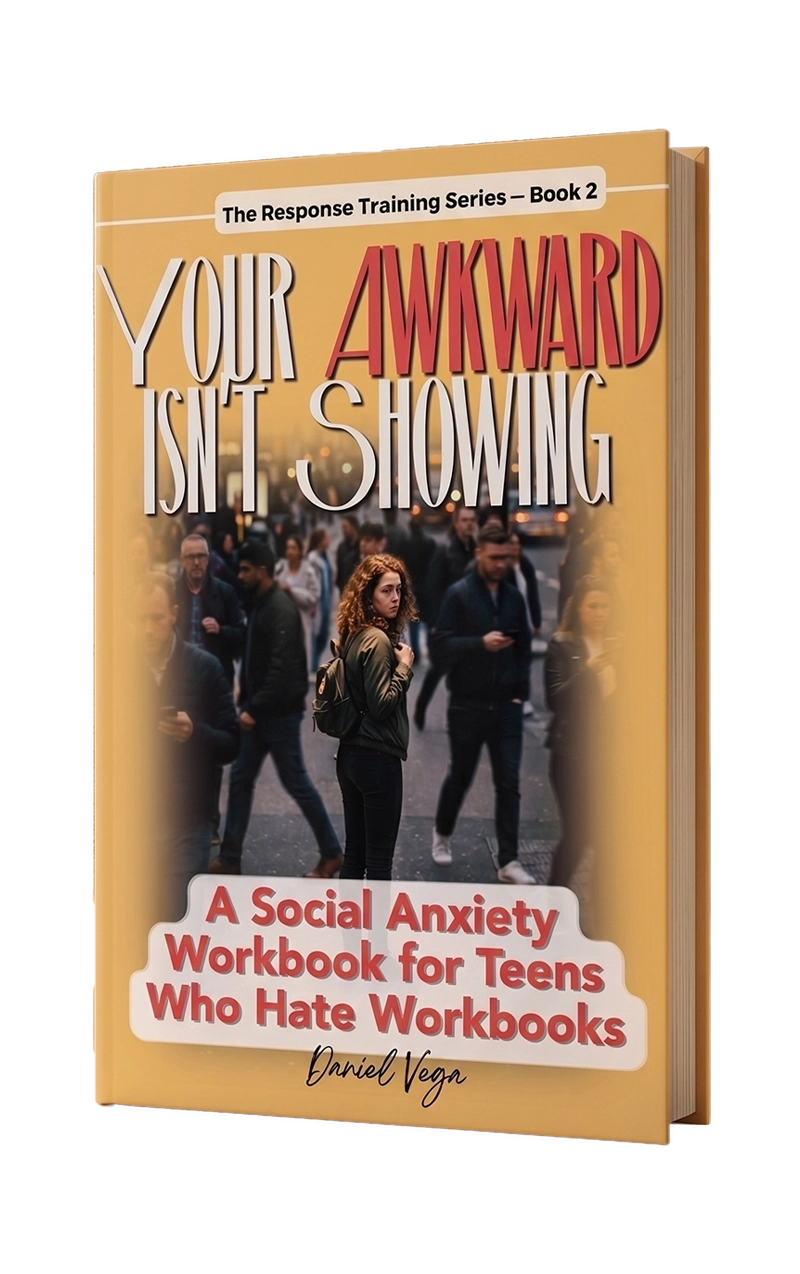 The Response Training Series — Book 2
 Your Awkward Isn't Showing
A Social Anxiety Workbook for Teens Who Hate Workbooks
Buy from$14.99 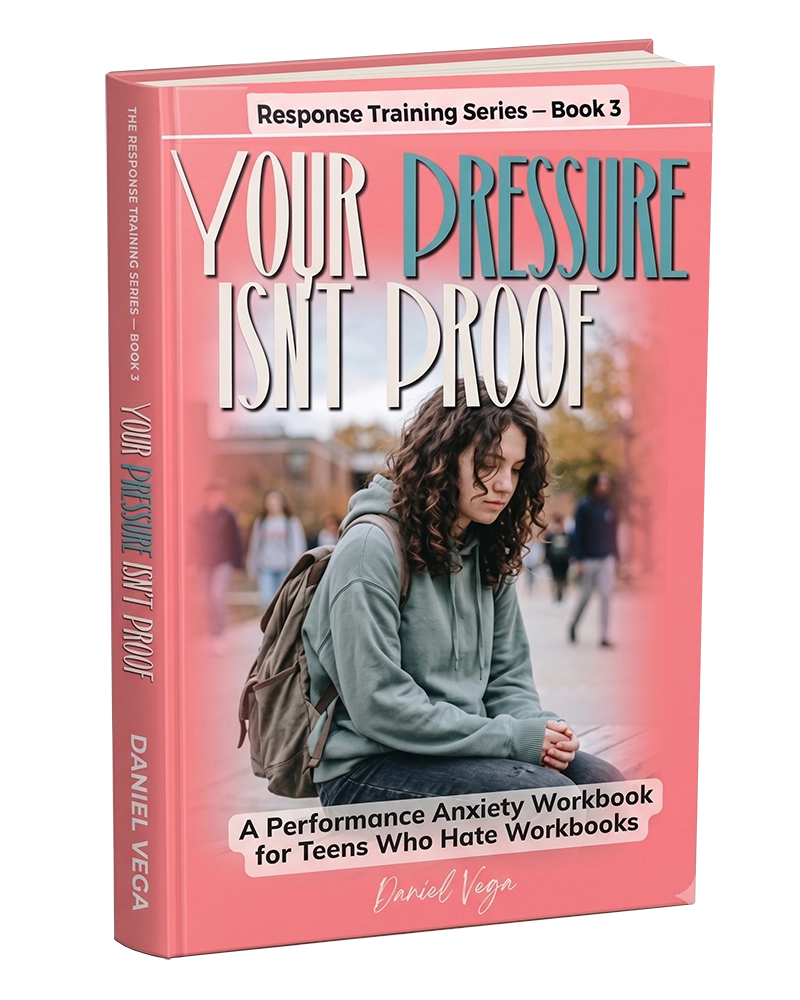 The Response Training Series — Book 3
 Your Pressure Isn't Proof
A Performance Anxiety Workbook for Teens Who Hate Workbooks
Buy from$14.99 Get the free toolkit
One page, six tools your teen can use the moment anxiety spikes. Sent straight to your inbox.
No spam, ever — just the toolkit and the occasional good word.