The Hidden Loneliness Behind a Teen's Busy Social Life
You're driving your teenager home from yet another weekend outing, the car filled with the hum of their friends' laughter still echoing in your ears. As you glance over, they're scrolling through photos, their face lit by the glow of the screen. You mention what a great time it seemed to be, but their only response is a noncommittal shrug. It's at that moment you wonder how they can be surrounded by people and still seem so alone.
In this age of digital connectivity and packed social schedules, it's easy to assume that a teenager with a full calendar feels socially fulfilled. However, loneliness can often hide behind the façade of busyness. Just because your teen is at every gathering doesn't mean they feel truly connected to those around them. Loneliness isn't just about physical isolation; it's about feeling emotionally alone even in a crowd.
Start by gently opening up a conversation about their feelings regarding their social interactions. You might say, "I noticed you've had a lot going on with friends lately. How are you feeling about all of it?" This opens the door for them to share without pressure. It's important to create a space where they feel they can express themselves honestly, without fear of judgment or the need to maintain a perfect image.
Understanding your teen's social landscape is crucial. Ask open-ended questions that invite them to talk about their friendships. "Who do you feel closest to right now?" or "Is there anyone you wish you could spend more time with?" Encourage them to think about the quality of their connections, not just the quantity. Sometimes, one or two meaningful relationships can be more fulfilling than a dozen superficial ones.
Another practical approach is to help them identify any patterns or feelings of disconnection they might be experiencing. Maybe there's pressure to maintain a certain image on social media or to keep up with friends' activities, which can contribute to feelings of inadequacy or loneliness. Encourage them to reflect on whether they're spending time with people out of genuine interest or simply to fill a void.
You can also suggest finding activities that promote deeper connections. Encourage them to invite a friend over for a low-pressure evening of watching movies or doing something creative together. These quieter moments can foster more genuine interactions than large group events.
It's also helpful to model healthy relationship behaviors yourself. Share stories from your own life about friendships that have been meaningful to you, and how you've navigated times of loneliness. Demonstrating vulnerability can give your teen permission to explore and express their own feelings.
Remember, it takes time to build and nurture genuine connections. Offer patience and understanding as your teen navigates their social world. Encourage them to stay open to new friendships and to value the ones that make them feel seen and understood.
For more insights into helping your teen manage the complexities of social interaction and to explore how they can feel more comfortable in their own skin, consider exploring "Your Awkward Isn't Showing." This workbook can be a supportive resource for guiding them towards more fulfilling social experiences.
The Response Training Series
Short, honest workbooks for teens who can't stand workbooks — a trilogy, one feeling at a time.
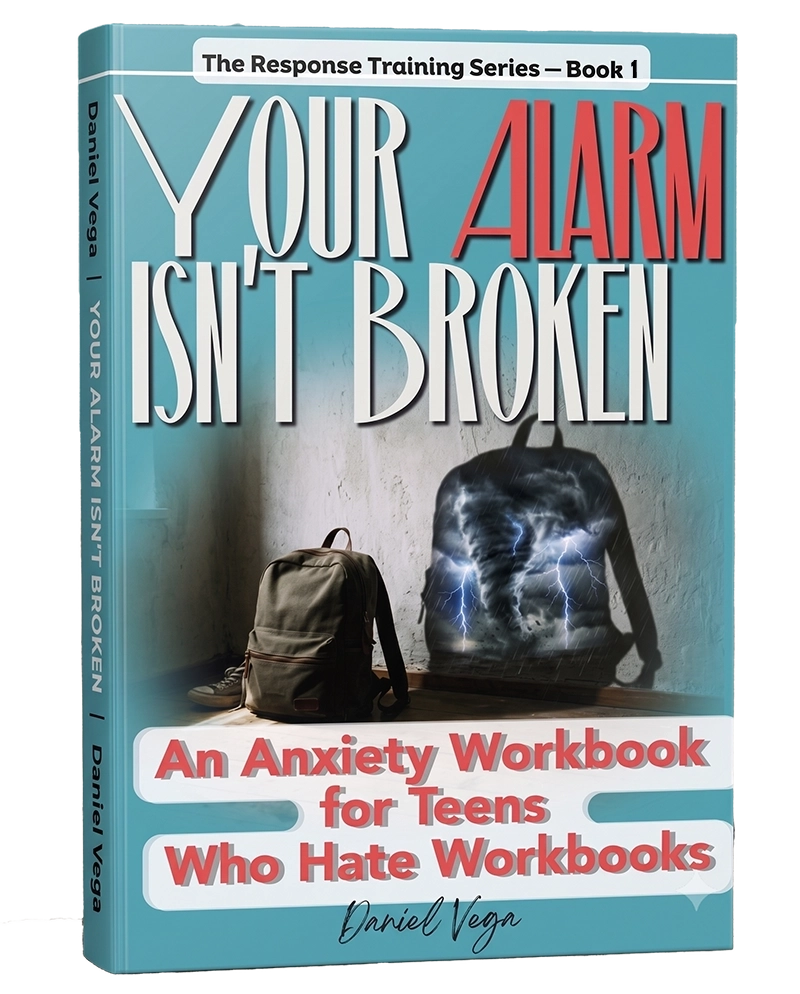 The Response Training Series — Book 1
 Your Alarm Isn't Broken
An Anxiety Workbook for Teens Who Hate Workbooks
Buy from $14.99
 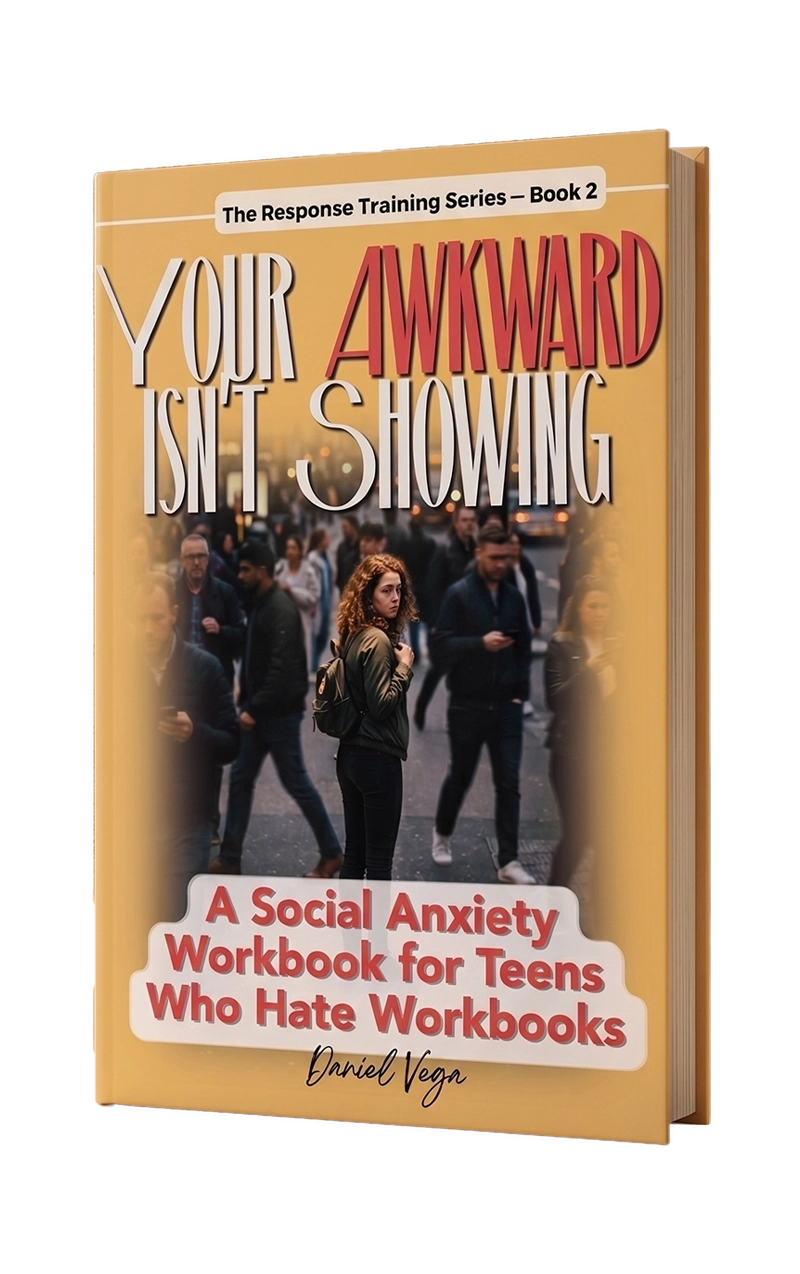 The Response Training Series — Book 2
 Your Awkward Isn't Showing
A Social Anxiety Workbook for Teens Who Hate Workbooks
Buy from$14.99 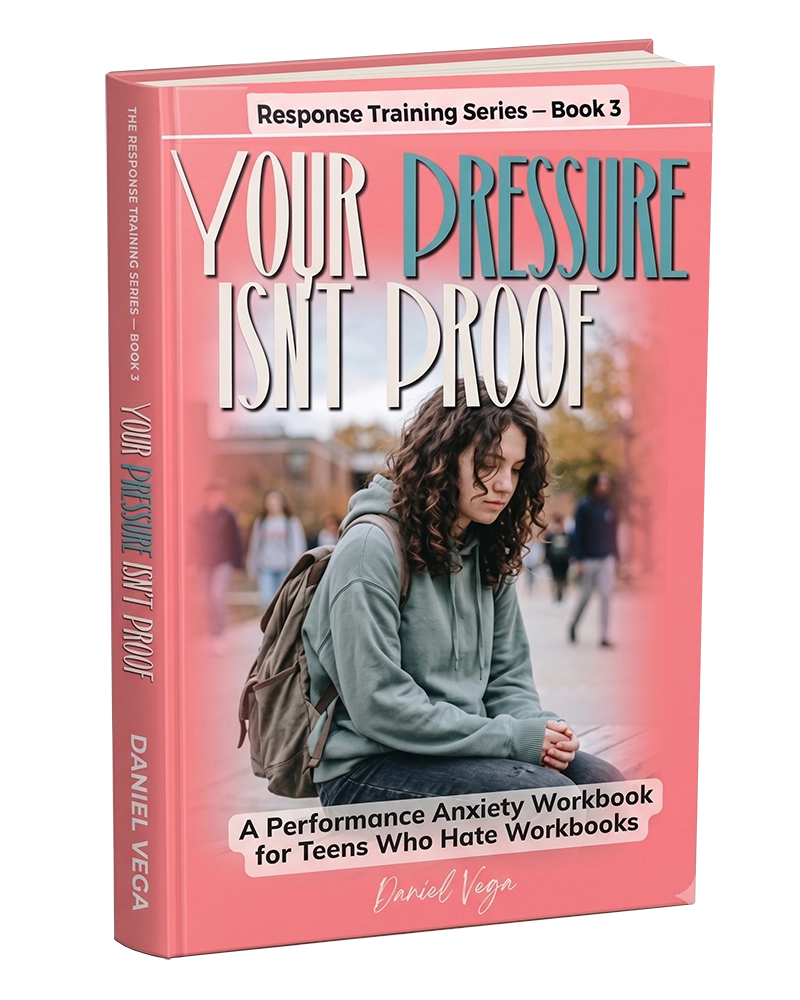 The Response Training Series — Book 3
 Your Pressure Isn't Proof
A Performance Anxiety Workbook for Teens Who Hate Workbooks
Buy from$14.99 Get the free toolkit
One page, six tools your teen can use the moment anxiety spikes. Sent straight to your inbox.
No spam, ever — just the toolkit and the occasional good word.